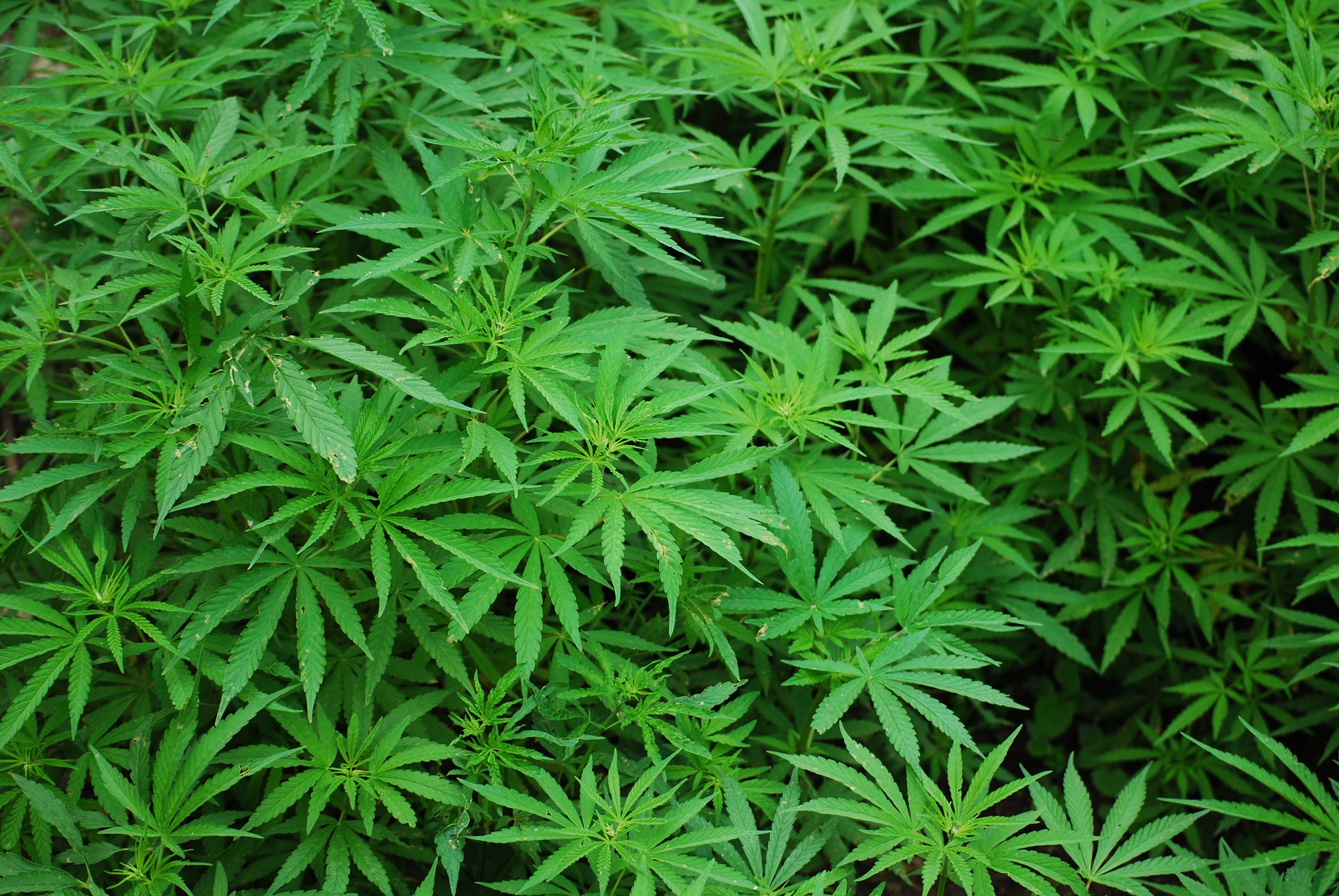
Cannabis legalization has become one of the most transformative and debated policy shifts in recent decades. From full recreational biotech innovation legalization to medical use allowances, countries around the world are reconsidering their stance on cannabis in response to evolving social, economic, and health perspectives.
This article explores the global landscape of cannabis legalization, highlighting major countries and regions, their approaches, and what the future might hold for cannabis regulation worldwide.
The Early Pioneers of Legalization
Uruguay: The First Country to Legalize Recreational Cannabis
In 2013, Uruguay made history by becoming the first country to fully legalize recreational cannabis. The government established a state-controlled market to regulate production, sales, and consumption. Uruguay’s move was groundbreaking, setting a precedent for other nations to consider cannabis legalization as a public health and social justice policy.
North America: A Patchwork of Policies
United States
The U.S. presents a complex picture with cannabis legality varying between federal and state laws. While cannabis remains illegal at the federal level, over 20 states and Washington D.C. have legalized recreational cannabis. Medical cannabis is legal in over 30 states.
This patchwork creates challenges for banking, research, and interstate commerce but also offers a laboratory for innovation and policy experimentation.
Canada
Canada legalized recreational cannabis nationwide in 2018, becoming the second country after Uruguay to do so. The Canadian government regulates production and sales, with provinces overseeing retail distribution. Canada’s model balances public health, safety, and economic opportunity, with a focus on harm reduction and youth prevention.
Europe’s Evolving Landscape
Europe has largely been cautious but is gradually moving towards more liberal cannabis policies.
Netherlands: Known for its tolerant approach, the Netherlands allows the sale of cannabis in “coffee shops” under strict regulations. However, recreational cannabis is not fully legalized.
Portugal: Decriminalized all drugs in 2001, including cannabis, focusing on treatment rather than punishment.
Germany: Recently approved medical cannabis and is exploring regulated recreational legalization.
Spain: Cannabis clubs provide a quasi-legal framework for adult use in some regions.
Latin America: Growth in Medical and Recreational Use
Beyond Uruguay, several Latin American countries are reforming cannabis laws.
Mexico: The Supreme Court has ruled cannabis prohibition unconstitutional, paving the way for legalization. Legislative efforts are ongoing.
Colombia and Argentina: Have legalized medical cannabis and are developing regulations for broader access.
Asia and Africa: Slow but Steady Progress
Historically conservative on drug policies, some countries are beginning to reconsider cannabis.
Thailand: Legalized medical cannabis and hemp cultivation, becoming a pioneer in Southeast Asia.
South Africa: Constitutional court rulings have decriminalized private cannabis use and cultivation.
Morocco: Known for large-scale cannabis cultivation, Morocco is moving toward legalizing medical cannabis.
Challenges in Global Cannabis Legalization
International Treaties: The UN’s Single Convention on Narcotic Drugs (1961) complicates legalization, though recent UN votes indicate shifting attitudes.
Regulatory Frameworks: Developing fair, effective, and enforceable cannabis laws requires balancing public health, safety, and economic interests.
Social Equity: Addressing the disproportionate impact of cannabis prohibition on marginalized communities remains a critical issue.
The Future Outlook
Cannabis legalization is likely to continue expanding globally, driven by changing public opinion, economic potential, and evolving scientific understanding. Countries are experimenting with different models—from government monopolies to private markets—to find sustainable, equitable solutions.
Conclusion
The global cannabis legalization movement reflects a significant shift in how societies perceive and regulate cannabis. While approaches vary, the trend is toward more permissive, health-oriented policies. Understanding this evolving landscape is essential for policymakers, businesses, and consumers worldwide.
 Site Title